Revitalize Your Kitchen: How Cabinet Refinishing Can Help
Cabinet refinishing presents a practical solution for homeowners seeking to upgrade their kitchens without the expenses tied to complete replacements. This method not only revitalizes the appearance of existing cabinets but also aligns with sustainable practices by reducing waste. With numerous finish and color options on the market, homeowners can attain a tailored aesthetic. Nevertheless, the process demands thorough planning and thoughtful consideration. What are the key steps to ensure a successful transformation?
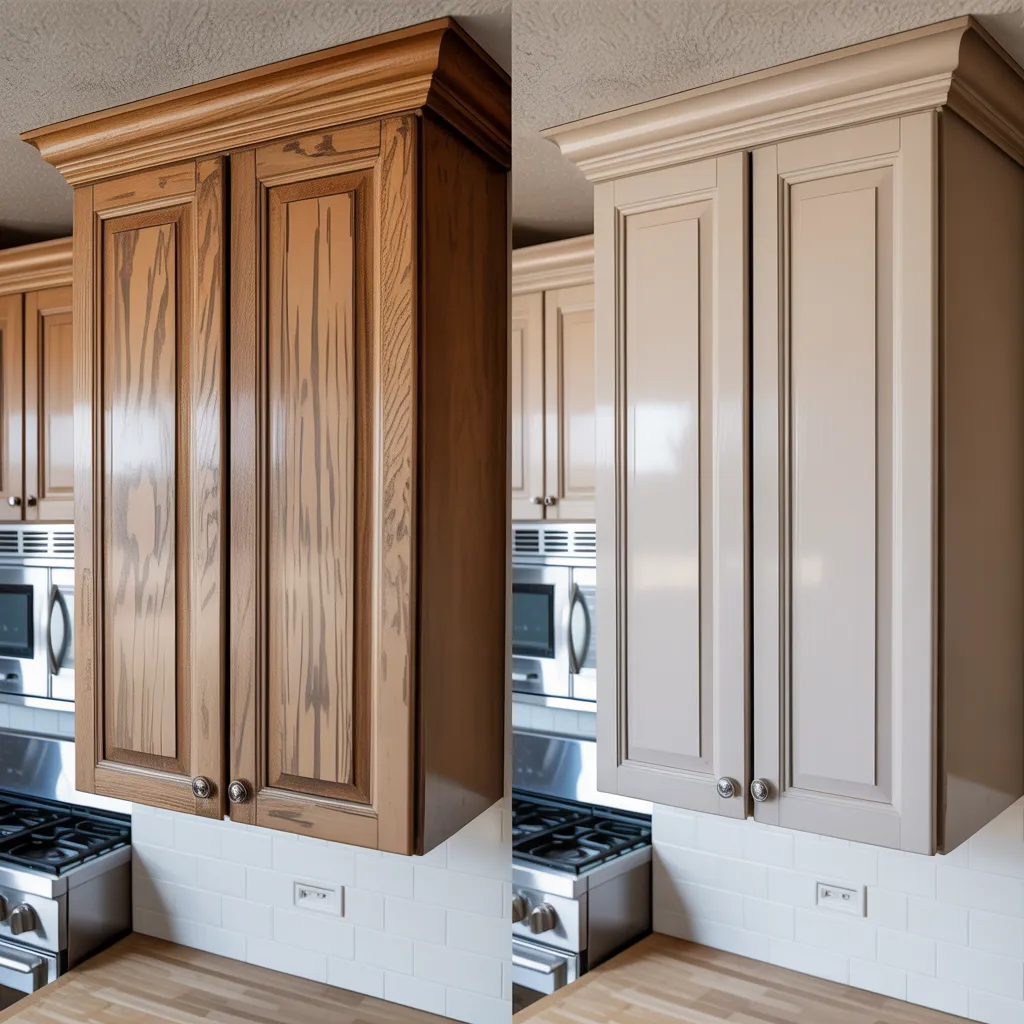
Steps to Successfully Refinish Your Cabinets
Restoring cabinets entails a sequence of deliberate procedures that may completely change the look of a kitchen. The procedure commences with a comprehensive cleaning phase, making sure all dirt and residue are eliminated. Next, hardware must be detached, providing improved reach to all cabinet surfaces. Sanding follows, which ensures the new application sticks securely by creating a smooth base.
Once sanding is complete, it's essential to clean away any dust with a moistened cloth. Subsequently, you should be the application of a primer, which enhances the durability of the finish. After the primer has dried, the refinishing process can commence, which usually requires several coats of paint or stain. Each individual coat must have enough time to dry to achieve a flawless look. Finally, once the final coat is fully dry, putting the hardware back in place finishes the job. By carefully executing these steps, homeowners can achieve a refreshed kitchen aesthetic without the expense of a complete remodel.
Selecting Finishes and Colors for Cabinet Refinishing
Choosing the perfect hues and finishes for refinishing cabinets can greatly impact the general appearance of a space. Current color trends tend to evolve, affecting decisions on shades that coordinate with existing decor. Moreover, knowing the different finish varieties and how they align with specific styles and themes is essential for producing a well-coordinated finish.
Leading Color Trends
Which colors and finishes are presently drawing the interest of homeowners looking to update their cabinets? Gentle neutrals, including warm grays and creamy whites, are trending options, offering a classic and adaptable foundation for a range of kitchen designs. In addition, deep blues and earthy greens are becoming increasingly sought after, offering a bold statement while maintaining elegance. These deep tones establish a dramatic contrast with lighter countertops and hardware. An additional growing trend involves the adoption of matte finishes, which impart a modern and sophisticated look, steering away from high-gloss surfaces. Homeowners are also exploring two-tone cabinetry, combining different colors for a dynamic and personalized aesthetic, enabling artistic expression while boosting visual appeal throughout the kitchen area.
Understanding Finish Types
With popular color trends like soft neutrals and bold hues enchanting homeowners, picking the ideal finish is becoming more essential in cabinet refinishing. Different finish types fulfill distinct aesthetic and functional roles. To illustrate, a matte finish delivers a sleek, understated aesthetic, while a glossy finish enhances durability and makes colors pop. Satin finishes offer a middle ground, delivering a gentle sheen that suits a range of styles. Moreover, water-based finishes are popular for their reduced odor and faster drying time, whereas oil-based options deliver a rich, deep color but require longer drying periods. Understanding these distinctions allows homeowners to choose finishes that not only align with current trends but also meet their specific needs and preferences, guaranteeing a rewarding cabinet transformation.
Matching Styles and Themes
As homeowners begin on the journey of cabinet restoration, matching finishes and colors to existing styles and themes is crucial for creating a unified appearance. Selecting the right hues and finishes can improve the visual appeal of the kitchen, whether opting for a modern, rustic, or traditional style. For modern interiors, smooth, polished finishes in muted tones can work best, while warmer, matte options can complement farmhouse designs. Moreover, detailed resource opposing color choices can generate visual intrigue when combined carefully with countertops and backsplashes. Homeowners need to account for existing features, like flooring and appliances, to maintain balance. By carefully matching styles and themes, updated cabinets can convert the kitchen into a cohesive and welcoming area.
Why Refinishing Your Cabinets Beats Replacement
Despite the attraction of purchasing new cabinets, cabinet refinishing presents a more practical and economical solution for those wanting to revitalize their kitchen areas. This process enables homeowners to preserve their current cabinets while transforming their look, saving both valuable time and significant money. This process involves stripping, sanding, and repainting or staining the cabinets, delivering a renewed appearance without requiring complete cabinet replacement.
Additionally, refinishing reduces waste and proves more eco-conscious than disposing of outdated cabinets. The original structure remains intact, ensuring durability while reducing the carbon footprint associated with manufacturing new cabinetry. Property owners can further personalize finishes to align with their developing tastes, attaining a customized appearance without significant remodeling. In the end, cabinet refinishing emerges as an intelligent solution, delivering visual improvement and environmental responsibility, while bypassing the steep expenses and inconveniences of full cabinet replacement.
How Cost-Effective Is Cabinet Refinishing?
Cabinet restoration provides a economical option for homeowners seeking an enhancement. By significantly reducing material costs and reducing labor costs, this alternative emerges as an attractive alternative to total cabinet replacement. As a result, resurfacing allows for a renewed aesthetic without straining your budget.
Decreased Material Expenditures
When homeowners want to revitalize their kitchens, choosing cabinet refinishing proves to be a cost-effective decision. Unlike full cabinet replacement, which involves purchasing new materials and hardware, refinishing centers on upgrading current structures. This approach considerably reduces material expenses, given that it largely needs paint, stain, and sealants as opposed to whole new cabinets. Furthermore, refinishing removes the necessity for expensive new cabinetry, which can inflate overall project costs. Homeowners can attain a fresh new appearance without the monetary strain of acquiring and installing new materials. By investing in refinishing, they not only save on costs but also minimize waste, making it a sustainable alternative. Consequently, cabinet refinishing emerges as an excellent solution for those seeking to renovate their kitchens cost-effectively.
Reduced Labor Costs
Transforming kitchen aesthetics becomes more economical with decreased labor fees connected to cabinet refinishing. In contrast to complete cabinet replacement, which typically demands significant installation work, refinishing generally entails fewer labor-demanding procedures. Skilled professionals can efficiently strip, sand, and repaint existing cabinets without the necessity of structural changes. This streamlined approach not only shortens project timelines but also minimizes labor hours, resulting in significant cost savings for homeowners. Moreover, numerous refinishing projects can be wrapped up in only a matter of days, minimizing inconvenience within the home. By concentrating on surface upgrades instead of total replacements, homeowners can accomplish a renewed aesthetic while controlling overall expenses. In summary, lower labor expenses make cabinet refinishing a financially wise decision for kitchen upgrades.
How Cabinet Refinishing Can Increase Your Home's Value
Cabinet refinishing not only rejuvenates a kitchen's look but also considerably increases a home's appeal to buyers. Many buyers place high value on renovated kitchens, considering them a reflection of comprehensive home care and maintenance. A renewed, stylish aesthetic can greatly influence initial impressions, motivating prospective buyers to imagine themselves enjoying the space.
Furthermore, refinished cabinets can produce a cohesive design, keeping pace with modern design trends and enhancing the apparent value of the residence. By selecting a refinishing approach over complete replacement, home owners can realize a high-end aesthetic at a lower price point, rendering it a budget-friendly option that yields returns during resale.
Ultimately, a professionally refinished kitchen can distinguish a home from competing properties, potentially leading to more rapid sales and better offers. This undertaking not only improves the day-to-day living experience but also functions as a smart strategy for lasting financial benefit.
The Environmental Advantages of Cabinet Refinishing
Cabinet refinishing provides significant ecological benefits, as it reduces the need for new materials and limits waste. By choosing to refinish rather than replace cabinets, homeowners can greatly decrease the demand for timber and other resources, which helps preserve forests and ecosystems. This practice also reduces landfill contributions, as disposed cabinets commonly produce significant waste.
Additionally, the refinishing process typically requires fewer chemicals and materials than complete replacements, leading to a smaller carbon footprint. Employing sustainable paints and finishes can greatly strengthen these positive effects, minimizing toxic emissions across both manufacturing and application processes.
Moreover, the power consumption associated with creating new cabinets is eliminated, supporting a greener approach to home improvement. In summary, cabinet refinishing not only rejuvenates home interiors but also actively aids efforts to conserve the environment, making it a prudent decision for green-minded homeowners.
Frequent Errors to Steer Clear of When Refinishing Cabinets
Many homeowners overlook important factors when renovating their cabinets, leading to unsatisfactory results. A frequent error involves neglecting to properly clean all surfaces prior to beginning. Dust, grease, and grime can prevent proper adhesion of paint or stain. Furthermore, failing to sand the surfaces properly can lead to an uneven surface. It is common for homeowners to overlook the value of using the right type of primer; the wrong option can undermine the overall quality and lasting results.
Another common mistake is skipping the use of quality tools, which can lead to an uneven finish. Managing your time is also essential; moving too quickly through the steps can yield sloppy results. Additionally, insufficient airflow during the restoration process can pose health risks and negatively impact the end result. By sidestepping these typical errors, homeowners and DIY enthusiasts can accomplish a high-quality finish that boosts the aesthetic appeal and lifespan of their cabinetry.
Common Questions and Answers
How Much Time Does Cabinet Refinishing Usually Require?
Cabinet refinishing generally requires around three to five days. This timeframe includes preparation, sanding, applying new finishes, and drying. Variables including cabinet size and complexity can impact the total time needed to complete the project.
Should I Refinish Cabinets Myself or Hire a Professional?
People have the option to handle cabinet refinishing as a DIY project, saving costs but requiring time and skill. On the other hand, working with a professional delivers exceptional results with greater efficiency, making it the preferred solution for individuals who lack the skills or tools required.
Which Materials Work Best for Cabinet Refinishing Projects?
For cabinet refinishing projects, high-quality sandpaper, wood primer, and durable paint or stain are essential. Furthermore, utilizing a quality brush or sprayer ensures a smooth finish, while sealants offer defense against wear and moisture.
Can Refinishing Cabinets Impact My Kitchen's Warranty?
Refinishing kitchen cabinets has the potential to affect a kitchen cabinet warranty, based on each manufacturer's specific guidelines. Homeowners should review the warranty paperwork or reach out to the original manufacturer to confirm any possible implications before proceeding with refinishing projects.
How Can I Keep Refinished Cabinets Looking Great Long-Term?
To preserve refinished cabinets for the long haul, routine cleaning using gentle soap, refraining from abrasive chemicals, and utilizing soft cloths is crucial. Moreover, controlling humidity and temperature can prevent damage, ensuring lasting beauty and functionality.